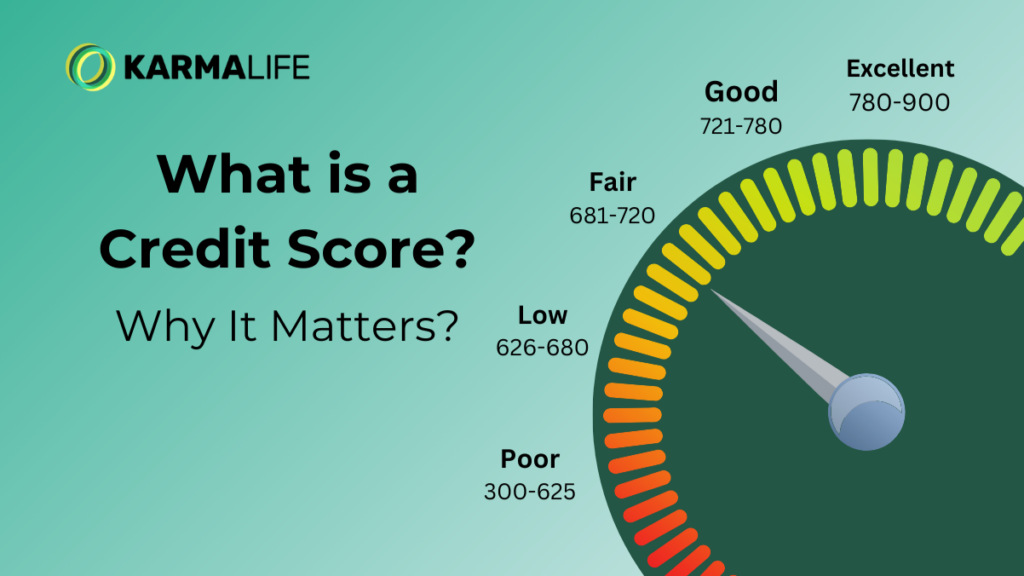
What Is a Credit Score and Why It Matters
A credit score is a number that represents how reliable you are when it comes to managing borrowed money. It is used by banks and lenders to decide whether they should lend you money and under what conditions.
Even if you are just starting your financial journey, understanding your credit score is very important. It can affect many aspects of your life, from getting a loan to renting a home.
What Is a Credit Score?
A credit score is based on your financial behavior, especially how you handle credit. It is calculated using information from your credit history, such as:
- How often you pay your bills on time
- How much debt you currently have
- How long you have been using credit
- The types of credit you use
The score is usually a number within a certain range (for example, 300 to 850 in some systems). A higher score means you are considered more trustworthy with money.
How Does a Credit Score Work?
When you apply for a loan, credit card, or financing, lenders check your credit score to evaluate the risk of lending you money.
- High credit score → Lower risk → Better chances of approval
- Low credit score → Higher risk → More difficult approval or worse conditions
Your score helps lenders decide:
- Whether to approve your application
- How much money to lend you
- What interest rate to offer
Why Your Credit Score Matters
Your credit score plays a bigger role than many people realize. It can affect several important areas of your financial life.
1. Getting Approved for Loans
If you want to borrow money—for example, to buy a car or finance a purchase—your credit score is one of the first things lenders check.
A good score increases your chances of being approved, while a low score may result in rejection.
2. Interest Rates
Your credit score also affects how much interest you will pay. People with higher scores usually get lower interest rates, which means borrowing money is cheaper.
Even a small difference in interest rates can save or cost you a lot of money over time.
3. Renting a Home
In some cases, landlords may check your credit score before renting you a property. A good score shows that you are responsible with payments, which can make it easier to secure a rental.
4. Financial Opportunities
A strong credit score can open doors to better financial products, such as premium credit cards, higher credit limits, and better loan options.
What Affects Your Credit Score?
Several factors influence your credit score:
- Payment history: Paying bills on time is the most important factor
- Credit usage: Using too much of your available credit can lower your score
- Length of credit history: Longer history is generally better
- Types of credit: A mix of credit types can help
- New credit applications: Applying for too much credit in a short time can reduce your score
Understanding these factors helps you manage your score more effectively.
How to Improve Your Credit Score
Improving your credit score takes time, but it is completely possible with good habits:
- Pay all your bills on time
- Keep your credit card balances low
- Avoid unnecessary debt
- Do not apply for too many credit products at once
- Check your credit report regularly
Consistency is key. Small actions over time can lead to significant improvements.
Credit Score for Young People
If you are young or just starting out, you may not have a credit score yet. This is normal.
You can begin building your credit by:
- Using a credit card responsibly
- Making small purchases and paying them off in full
- Avoiding missed payments
Starting early and building good habits can help you create a strong credit profile.
Final Thoughts
A credit score is more than just a number—it is a reflection of your financial behavior. It can influence your ability to borrow money, the cost of loans, and even your access to certain opportunities.
The good news is that you have control over your credit score. By managing your money responsibly and developing good financial habits, you can build a strong score over time.
Understanding your credit score today can help you make better decisions and create a more secure financial future.