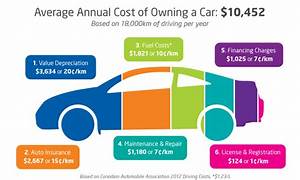
The Real Cost of Owning a Car Per Year
When people think about buying a car, they usually focus on the purchase price. However, the real cost of owning a car goes far beyond the initial payment. Insurance, fuel, maintenance, taxes, and unexpected expenses all add up over time. Understanding the yearly cost of ownership is essential before making a decision, especially for first-time buyers.
Purchase Price vs Ownership Cost
The first thing to understand is that the purchase price of a car is only the beginning. Whether you buy a new or used vehicle, the money you spend on the car itself does not reflect what it will actually cost you per year.
For example, a car like the Toyota Corolla may seem affordable when purchased used, but the total yearly cost of running it can be significantly higher once all expenses are included.
Depreciation
One of the biggest hidden costs of owning a car is depreciation. This refers to how much value the car loses over time.
A new car can lose 15% to 25% of its value in the first year alone, and around 50% or more within the first 3–5 years. This means that even if you don’t sell the car, you are still losing money in terms of value.
Depreciation is often the largest cost of car ownership, even bigger than fuel or insurance in many cases.
Insurance Costs
Car insurance is a mandatory yearly expense in most countries. The cost depends on several factors such as age, driving experience, location, and the type of car.
On average:
- Young drivers may pay €800–€1,500 per year
- Experienced drivers may pay €400–€900 per year
More powerful or expensive cars usually cost more to insure. Choosing a smaller, less powerful vehicle can help reduce this cost.
Fuel or Energy Costs
Fuel is one of the most noticeable ongoing costs. The amount you spend depends on how much you drive, your driving style, and fuel prices.
For a typical driver:
- Petrol or diesel: €800–€2,000 per year (average usage)
Electric cars like the Tesla Model 3 may reduce fuel costs, but electricity is still a regular expense, even if usually cheaper than fuel.
Maintenance and Repairs
Every car needs maintenance to stay in good condition. This includes oil changes, brake replacements, tire changes, and general servicing.
Average yearly costs:
- New cars: €200–€600
- Older used cars: €500–€1,500 or more
Older vehicles tend to require more repairs, which can increase costs significantly over time. Unexpected breakdowns can also add extra expenses.
Taxes and Legal Costs
In many countries, owning a car includes yearly taxes such as road tax or vehicle tax. These depend on engine size, emissions, and location.
Typical yearly costs:
- €100–€400 for most standard cars
- Higher for powerful or high-emission vehicles
There may also be inspection fees (like ITV in Spain) and registration-related costs.
Parking and Extra Expenses
Depending on where you live, parking can be a major yearly cost. In cities, renting a parking space can cost hundreds or even thousands of euros per year.
Other possible expenses include:
- Tolls
- Car washes
- Fines or penalties (if applicable)
- Accessories or replacements
These smaller costs often go unnoticed but can add up over time.
Financing Costs (If You Have a Loan)
If you financed your car, interest is another important yearly cost. Depending on your loan terms, you could be paying hundreds or even thousands of euros in interest each year.
Shorter loans usually mean higher monthly payments but lower total interest, while longer loans reduce monthly payments but increase total cost.
Estimated Total Yearly Cost
Here is a realistic estimate of what owning a car might cost per year:
- Depreciation: €1,000–€3,000
- Insurance: €400–€1,500
- Fuel: €800–€2,000
- Maintenance: €300–€1,000
- Taxes and fees: €100–€400
- Extras (parking, etc.): €200–€2,000
Total estimated yearly cost:
👉 €2,800 to €9,900 per year
This wide range depends heavily on the type of car, driving habits, and location.
How to Reduce Costs
There are several ways to lower the cost of owning a car:
- Choose a fuel-efficient or small engine car
- Buy a reliable used car instead of a new one
- Drive smoothly to reduce fuel consumption
- Compare insurance providers
- Maintain the car regularly to avoid expensive repairs
Small decisions can make a big difference over time.
Conclusion
Owning a car is much more expensive than just buying it. The real yearly cost includes depreciation, insurance, fuel, maintenance, taxes, and other hidden expenses.
Before buying a car, it is important to calculate not only the purchase price but also the long-term costs. By understanding these expenses in advance, you can make a smarter financial decision and avoid surprises.
A car should fit not only your lifestyle, but also your budget—both today and in the long run.