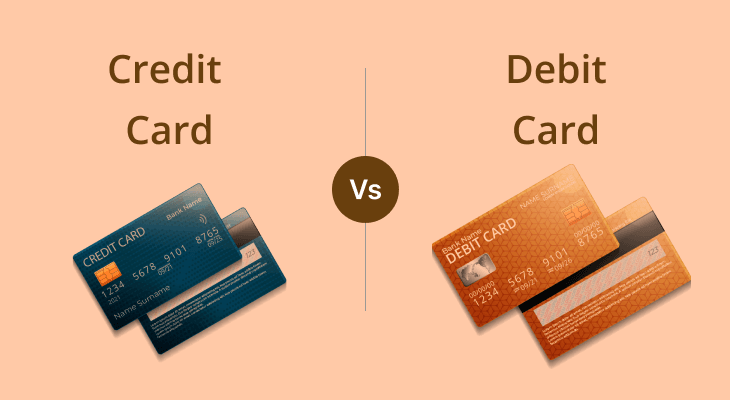
Debit Card vs Credit Card: What’s the Difference?
When it comes to everyday spending, debit cards and credit cards are two of the most common payment methods. At first glance, they may seem very similar—you can use both to pay in stores, online, or withdraw cash. However, they work in very different ways, and understanding the difference is essential for managing your money wisely.
Choosing the right one depends on your financial habits, goals, and level of responsibility.
What Is a Debit Card?
A debit card is directly linked to your bank account. When you use it to make a purchase, the money is taken immediately from your account balance.
This means you can only spend the money you actually have. If your account does not have enough funds, the payment may be declined (unless you have overdraft enabled).
Key features of a debit card:
- Uses your own money
- Payments are deducted instantly
- Helps control spending
- Usually no interest or debt
Debit cards are simple and safe, especially for people who want to avoid debt.
What Is a Credit Card?
A credit card allows you to borrow money from the bank to make purchases. Instead of using your own money, you are using the bank’s money with the promise that you will pay it back later.
At the end of a billing cycle (usually monthly), you receive a statement showing how much you owe. If you pay the full amount on time, you usually avoid interest. If you do not, interest is added to your balance.
Key features of a credit card:
- Uses borrowed money
- Payments are made later
- Can build credit history
- May include interest and fees
Credit cards offer flexibility, but they require discipline.
Main Differences Between Debit and Credit Cards
The biggest difference is where the money comes from:
- Debit card: Your bank account
- Credit card: The bank (you repay later)
Here are some other important differences:
- Spending limit:
Debit depends on your balance, credit depends on your credit limit - Debt risk:
Debit has no debt, credit can create debt if misused - Interest:
Debit has no interest, credit may charge interest - Impact on credit score:
Debit does not affect it, credit can build or damage it
When to Use a Debit Card
A debit card is best for everyday spending and staying within your budget. It is a great option if you want to avoid debt and keep things simple.
Use a debit card when:
- You want to control your spending
- You are managing a tight budget
- You prefer using your own money
It is especially useful for beginners or anyone who wants to build strong financial habits.
When to Use a Credit Card
A credit card can be useful if you use it responsibly. It offers flexibility and can help you build a credit history, which may be important in the future.
Use a credit card when:
- You can pay the full balance every month
- You want to build your credit score
- You need extra protection for purchases
Many credit cards also offer rewards, cashback, or travel benefits.
Risks to Be Aware Of
While both cards are useful, they come with risks.
With debit cards, the main risk is overspending your available balance if you are not tracking your account properly (especially with overdraft).
With credit cards, the biggest risk is accumulating debt. High interest rates can make it difficult to repay what you owe if you are not careful.
Understanding these risks helps you make better financial decisions.
Which One Is Better?
There is no single “better” option—it depends on how you use them.
- If you want simplicity and control, a debit card is the better choice.
- If you want flexibility and credit-building, a credit card can be useful.
Many people use both: a debit card for everyday expenses and a credit card for specific purchases, paying it off in full each month.
Final Thoughts
Debit and credit cards may look similar, but they serve different purposes. A debit card helps you spend money you already have, while a credit card allows you to borrow money and pay it back later.
Understanding the difference is key to managing your finances responsibly. By using each card wisely, you can avoid unnecessary debt, stay in control of your spending, and build a stronger financial future.