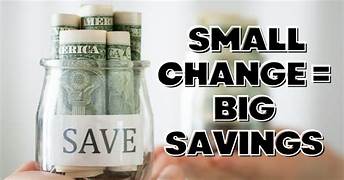
How to Save Money for a Big Purchase
Saving money for a big purchase can feel challenging, whether it’s your first car, a trip, a phone, or even a house deposit. However, with the right plan and discipline, it becomes much more manageable. The key is not just earning more, but also managing your money in a smarter way.
Set a Clear Goal
The first step is knowing exactly what you are saving for. A vague goal like “save money” is not effective. Instead, define a specific target.
For example:
- “Save €6,000 for a used car”
- “Save €1,200 for a holiday”
When you have a clear number, it becomes easier to stay motivated and track your progress.
Break Down the Total Amount
Once you know your goal, divide it into smaller parts. This makes the process feel less overwhelming.
For example:
- €6,000 over 12 months = €500 per month
- €3,000 over 10 months = €300 per month
Breaking it down turns a big goal into something realistic and achievable.
Create a Monthly Budget
A budget is one of the most important tools for saving money. It helps you understand where your money is going and how much you can save each month.
Start by listing:
- Income
- Fixed expenses (rent, transport, phone, etc.)
- Variable expenses (food, entertainment, etc.)
Then decide how much you can realistically put aside for your goal every month.
Pay Yourself First
A powerful saving strategy is “paying yourself first.” This means you save money as soon as you receive your income, instead of saving what is left at the end of the month.
For example:
- Transfer €200 to savings on payday
- Then live with the remaining money
This method helps you avoid spending money you planned to save.
Reduce Unnecessary Expenses
One of the fastest ways to save more money is to cut small, unnecessary expenses.
Examples include:
- Eating out too often
- Impulse shopping
- Subscriptions you don’t use
- Expensive daily habits (coffee, snacks, etc.)
Even saving €5–€10 a day can add up to hundreds of euros per month.
Use a Separate Savings Account
Keeping your savings in a separate account helps you avoid spending it accidentally. Many people make the mistake of mixing savings with daily spending money.
A separate account makes it:
- Easier to track progress
- Harder to spend impulsively
- More motivating when you see the balance grow
Increase Your Income (If Possible)
Saving money is not only about cutting costs—it’s also about increasing income.
Some options include:
- Part-time job
- Freelance work
- Selling unused items
- Small online side jobs
Even a small extra income can significantly speed up your savings plan.
Avoid Debt for Non-Essential Purchases
If your goal is to save for something big, avoid unnecessary debt. Using credit cards or loans for small purchases can slow down your progress and increase stress.
If you must use credit, make sure it is planned and controlled.
Track Your Progress
Monitoring your savings helps you stay motivated. You can use:
- A notebook
- A budgeting app
- A simple spreadsheet
Seeing progress over time makes it easier to stay disciplined and focused.
Stay Consistent and Patient
Saving money is not about quick results—it is about consistency. Some months will be easier than others, but the key is to keep going.
It helps to remember:
- Small savings add up over time
- Discipline is more important than speed
- Every euro saved brings you closer to your goal
Avoid Lifestyle Inflation
When people start earning more money, they often increase their spending automatically. This is called lifestyle inflation.
Instead of spending more when you earn more, try to:
- Maintain your current lifestyle
- Increase your savings instead of expenses
This is one of the most effective ways to reach big financial goals faster.
Set Milestones and Rewards
Long-term saving can feel difficult, so it helps to set milestones. For example:
- 25% saved → small reward
- 50% saved → medium reward
- 75% saved → bigger motivation boost
Rewards keep you motivated without ruining your progress.
Conclusion
Saving money for a big purchase requires planning, discipline, and patience. It is not about earning a huge salary, but about managing what you already have in a smart way.
By setting clear goals, creating a budget, cutting unnecessary expenses, and staying consistent, anyone can achieve their financial targets. The most important part is starting early and staying committed.
In the end, saving money is not just about the purchase itself—it is about building good financial habits that will benefit you for life.