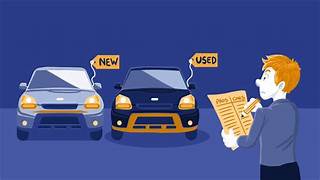
Buying a New Car vs a Used Car
When it comes to buying your first car or upgrading your current one, one of the biggest decisions you will face is whether to buy a new or a used vehicle. Both options have advantages and disadvantages, and the right choice depends on your budget, lifestyle, and personal preferences. Understanding the differences will help you make a smarter financial decision.
Price and Affordability
The most obvious difference between new and used cars is the price. A new car is significantly more expensive, while a used car is usually much more affordable. For example, a brand-new vehicle like the Toyota Corolla will cost much more than a similar model that is a few years old.
Used cars are cheaper because they have already gone through the biggest drop in value, known as depreciation. In fact, a new car can lose around 20% of its value in the first year alone. This makes used cars attractive for people who want to save money or get more value for their budget.
Depreciation
Depreciation is one of the most important financial factors when buying a car. New cars lose value very quickly, especially in the first few years. This means that if you buy a new car and later decide to sell it, you will likely lose a significant amount of money.
Used cars, on the other hand, depreciate much more slowly. Since the previous owner has already absorbed most of the loss in value, the car holds its price better over time. This is one of the main reasons many people choose used vehicles.
Reliability and Condition
New cars come with the advantage of being completely untouched. There is no previous owner, no hidden damage, and no wear and tear. They also usually come with a full manufacturer warranty, which covers repairs for several years.
Used cars can still be reliable, but they require more attention. It is important to check the vehicle’s history, mileage, and maintenance records before buying. Some used cars may have hidden issues or require repairs sooner than expected.
Features and Technology
New cars usually come with the latest technology and safety systems. This includes advanced driver assistance systems, better fuel efficiency, and modern infotainment systems.
For example, a modern Tesla Model 3 includes advanced software, autopilot features, and high-tech safety systems that older used cars may not have.
Used cars, however, may lack the newest features, but they can still offer good performance and comfort, especially if you choose a newer used model (2–5 years old).
Insurance and Running Costs
Insurance is generally more expensive for new cars because they have a higher value. If the car is damaged or stolen, the insurance company has to pay more.
Used cars are usually cheaper to insure, which helps reduce overall ownership costs. However, older cars may require more maintenance and repairs, which can increase long-term expenses.
Financing Options
Financing is another important factor. New cars often come with lower interest rates because they are less risky for lenders. Used cars, however, may have higher interest rates, which can make them more expensive over time.
Even if a used car has a lower purchase price, financing costs can reduce some of those savings. This is why it’s important to compare total costs, not just monthly payments.
Warranty and Peace of Mind
One of the biggest advantages of buying a new car is the warranty. New vehicles usually come with full manufacturer coverage for several years, meaning most repairs are free.
Used cars may have limited or no warranty unless you buy a certified pre-owned vehicle. This can make ownership more stressful if unexpected problems appear.
Value for Money
Used cars often provide better value for money. With the same budget, you might be able to afford a higher-class used vehicle instead of a basic new one. This is one reason many experienced buyers prefer used cars—they get more features for less money.
However, new cars offer peace of mind, modern technology, and reliability, which many buyers are willing to pay extra for.
Which One Should You Choose?
The decision between a new and used car depends on your priorities:
- Choose a new car if you want reliability, modern technology, warranty protection, and lower maintenance risk.
- Choose a used car if you want to save money, reduce depreciation loss, and get better value for your budget.
There is no perfect answer—it depends on your financial situation and how long you plan to keep the car.
Conclusion
Both new and used cars have clear advantages and disadvantages. New cars offer comfort, technology, and peace of mind, but come with a higher cost and faster depreciation. Used cars are more affordable and lose value more slowly, but may require more maintenance and careful inspection.
The smartest choice is the one that fits your budget and long-term plans. By understanding the differences, you can make a decision that saves you money and suits your needs.