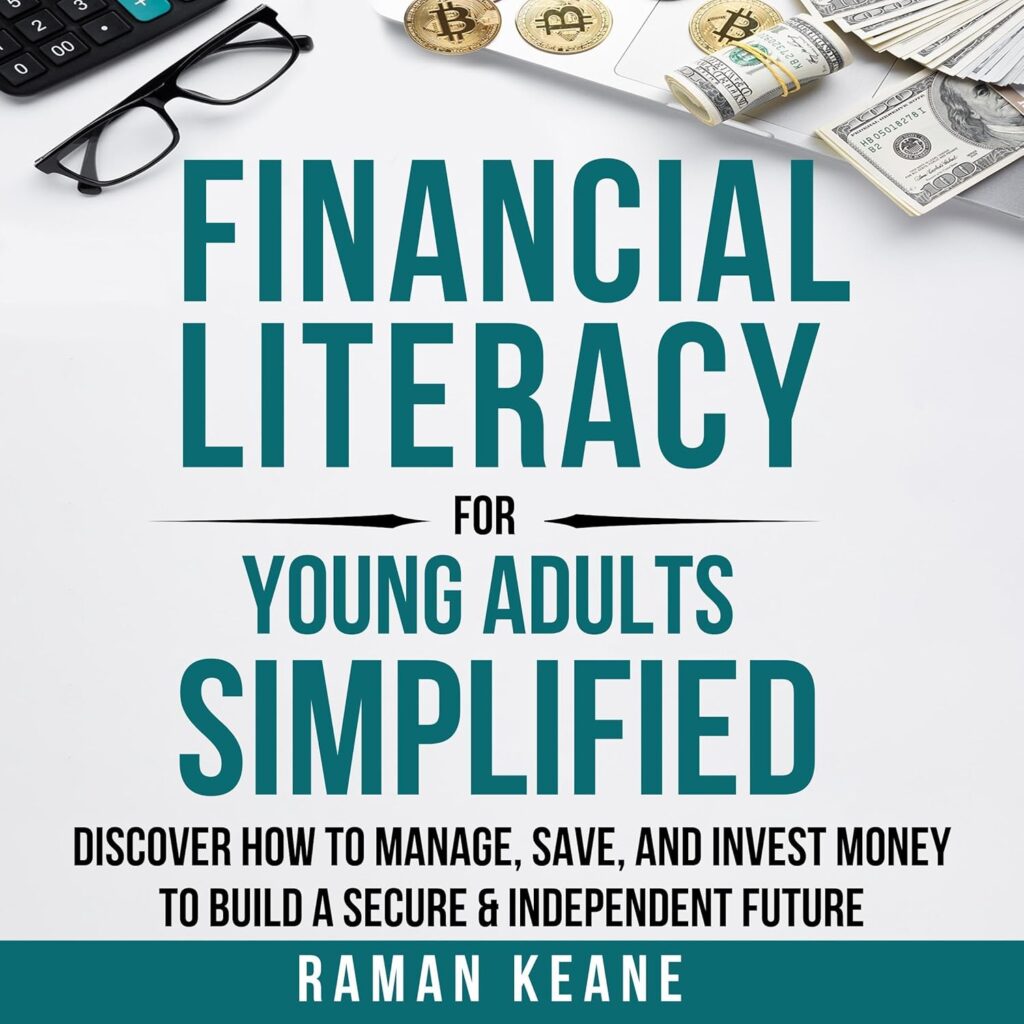
Financial Education Platform for Young Adults
In today’s fast-changing economic environment, financial literacy is no longer optional — it is essential. Young adults face increasingly complex financial decisions earlier in life, from managing student expenses to navigating credit, loans, investments, and digital banking tools. A Financial Education Platform for Young Adults aims to bridge the gap between traditional education and real-world financial responsibility by providing structured, practical, and accessible knowledge.
Why Financial Education Matters Early
For many young adults, the transition from adolescence to independence happens rapidly. Whether entering university, vocational training, or the workforce, they are suddenly responsible for budgeting, paying bills, and making long-term financial decisions. Unfortunately, formal education systems often provide limited instruction in personal finance.
Without guidance, common mistakes arise: overspending, misuse of credit cards, lack of emergency savings, or falling into unnecessary debt. Early financial education helps prevent these issues by equipping young people with foundational skills such as budgeting, goal-setting, and understanding financial products.
Core Objectives of the Platform
A well-designed financial education platform should focus on three primary goals:
- Building Financial Awareness
Helping users understand how money works — income, expenses, taxes, interest, inflation, and savings mechanisms. - Developing Practical Skills
Teaching how to create and maintain a personal budget, track spending, compare financial products, and evaluate risk. - Encouraging Long-Term Thinking
Promoting habits such as consistent saving, investing early, and planning for future milestones like buying a home or starting a business.
The emphasis should always remain practical, actionable, and relevant to real-life situations.
Key Content Areas
To provide comprehensive value, the platform should be structured around several essential content pillars:
1. Budgeting and Money Management
This section would introduce users to income tracking, expense categorization, and saving strategies. Tools such as downloadable budget templates or interactive calculators can make the learning process engaging and applicable.
2. Banking and Financial Products
Young adults often open their first bank accounts without fully understanding fees, interest rates, or account conditions. Educational content explaining current accounts, savings accounts, credit cards, and personal loans can help users make informed choices.
3. Credit and Debt Management
Understanding how credit scores work, how interest accumulates, and how to avoid high-interest debt is critical. Clear explanations about responsible borrowing and repayment strategies can prevent long-term financial stress.
4. Introduction to Investing
Many young adults assume investing is only for wealthy individuals. The platform should demystify this concept by explaining basic principles such as compound interest, diversification, and long-term investment strategies. Introductory guides to stocks, exchange-traded funds (ETFs), and index funds can encourage informed participation in financial markets.
5. Emergency Funds and Risk Protection
Life is unpredictable. Teaching the importance of building an emergency fund — typically covering three to six months of essential expenses — provides financial security and reduces reliance on credit in times of crisis.
6. Financial Goal Setting
Whether saving for travel, purchasing a vehicle, or planning further education, structured financial planning techniques help transform aspirations into achievable objectives.
Digital Tools and Learning Formats
To effectively engage young audiences, the platform should leverage modern digital formats. These may include:
- Interactive budgeting calculators
- Short educational videos
- Downloadable financial planning templates
- Quizzes to test financial knowledge
- Case studies based on realistic scenarios
Gamification elements — such as progress tracking or achievement milestones — can increase user engagement and motivation.
Accessibility and Tone
A Financial Education Platform for Young Adults must maintain clarity without oversimplifying complex topics. The language should be professional yet approachable, avoiding excessive technical jargon. Visual aids, infographics, and real-world examples help ensure understanding across different educational backgrounds.
Moreover, accessibility should extend to mobile optimization, ensuring users can learn and manage their finances conveniently from their smartphones.
Long-Term Impact
The ultimate objective of such a platform is not merely to inform, but to transform behavior. Financial literacy empowers young adults to:
- Avoid unnecessary debt
- Build sustainable saving habits
- Invest confidently and responsibly
- Plan strategically for major life milestones
- Reduce financial anxiety
Over time, these skills contribute to greater economic stability, improved decision-making, and enhanced overall well-being.
Monetization and Sustainability
From a business perspective, the platform can operate under several sustainable models, including advertising, affiliate partnerships with financial institutions, premium educational courses, or personalized financial coaching services. However, transparency and ethical responsibility must remain central to maintain credibility and user trust.
Conclusion
A Financial Education Platform for Young Adults represents more than a website — it is a tool for empowerment. By delivering structured knowledge, practical tools, and long-term guidance, such a platform equips young individuals with the confidence and competence required to navigate the financial realities of adulthood.
In a world where financial decisions increasingly shape personal freedom and opportunity, early education becomes one of the most valuable investments a young adult can make.